



How Sandee Clinic cares for hair loss, thinning hair and the scalp
Hair loss has many causes, and each cause is cared for differently. At Sandee Clinic, Ubon Ratchathani, the doctor examines your scalp and finds the cause first, then chooses a method that suits you. This page covers everything worth knowing before your visit.

Thai medical licence no. ว.55040 • reviewed on 10/10/2026
English translation of the Thai page. If the two differ, the Thai version applies.

- Hair loss has many causes. The cause must be found before choosing how to care for it.
- The doctor examines your scalp with a magnifying camera, orders blood tests when needed, and takes photos from the same angle to compare.
- The main care is medicine. Some people add scalp injections or light therapy.
- The clinic does not currently accept hair-transplant surgery cases, but can care for your hair before and after a transplant.
When to see a doctor about hair loss

Illustration, left to right
Losing some hair every day is normal. What the doctor should look at is when it changes from before.
4 signs worth getting checked


Common causes

Illustration, left to right
One person may have more than one cause at the same time.
- Genetics and hormones Thinning on the top of the head or along the hairline. It happens in both men and women. The hormone DHT makes the hair roots slowly shrink, and the hairs become finer and shorter, until the roots disappear and the area goes bald. While the roots are still there, they can still be cared for.
- After illness, after childbirth or a period of severe stress Hair falls out all over the head a few months later. Hair loss after childbirth comes from changing hormones and is normal. At times you may lose up to 400–500 hairs a day, and it usually settles within 6–12 months.
- Nutrient deficiency or a body imbalance Such as iron deficiency or a thyroid problem.
- Scalp problems Such as scalp inflammation, dandruff or a very oily scalp.
Read about each cause and the medicines used on the hair loss treatment with medicine page.
What the doctor checks

The scalp is examined with a magnifying camera to see hair thickness, density and the condition of the scalp.
Illustration
The first visit focuses on finding the cause, not rushing to choose a treatment.
The clinic examines the scalp with a digital microscope that magnifies up to 220 times, showing the hair roots, hair thickness and the condition of the scalp clearly. It is used at your first visit with the doctor, before PRP and at follow-up visits.
Examination at Sandee Clinic


Before the exam, the doctor will ask about your history, such as when your hair started falling out, how it falls out, whether anyone in your family has thinning hair, and whether you are ill or taking any medicines now.
Care options at the clinic


Illustration
The doctor chooses based on the cause and how thin your hair is. Not everyone needs every option.

Topical and oral medicine
The clinic’s main method. The doctor prescribes it and schedules follow-ups. It must be used continuously to see results.
Read more →
Scalp injections
Hair PRP uses concentrated platelets from your own blood, and hair meso injects nourishing substances into the scalp. The doctor recommends them alongside medicine in some cases.

Light therapy for hair roots
Used alongside other methods when the doctor thinks it suits your case.
Scalp care
For dandruff, scalp inflammation or a very oily scalp, the doctor first checks the cause, then treats it with medicine or shampoo alongside your hair loss care.

Care before and after a hair transplant
For people about to have, or who have already had, a hair transplant. The doctor cares for your existing hair and schedules ongoing follow-ups.
Read more →Results vary from person to person.
5-step care program for thinning hair and hair loss
- For people starting to notice thinning or hair loss
- All 5 steps in one visit
- About 40–60 minutes per visit
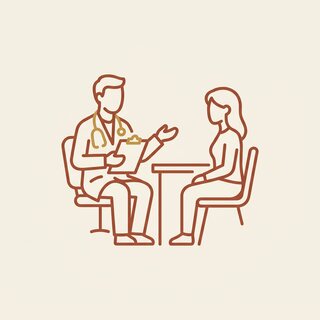
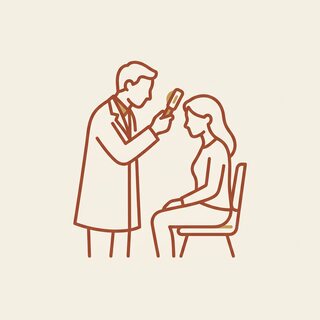
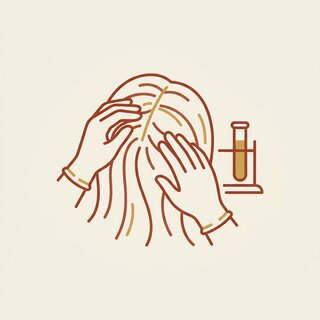
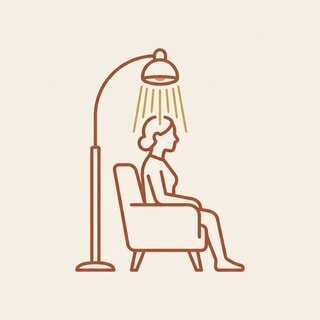



Illustrations • Results vary from person to person
When you press the button, your browser connects to TikTok to load the video.
A look at PRP hair care at the clinic
- Scalp preparation
- The doctor injects PRP point by point
- LLLT light therapy
The doctor examines and talks with every patient before care starts.
Video in Thai from the clinic's TikTok @sandeeclinic_ubon • Results vary from person to person
Follow-up photos from the clinic
Photos from real clients who agreed to share them, taken from the same angle to compare before and after


Results vary from person to person. • Photos are not retouched. Camera angle and lighting may differ slightly between the two photos. • See all follow-up photos
How hair loss care and hair transplants fit together
These two do different jobs, and often need to be used together.
Hair loss care with medicine and procedures
- Helps slow hair loss and care for the hair roots that are still working
- Suits the stage when hair is starting to thin
- No surgery, but it must be done continuously
Hair transplant
- Hair roots are moved from another area and planted
- Usually considered when an area has no hair roots left
- It is surgery, and Sandee Clinic does not currently accept these cases
A hair transplant does not stop your existing hair from falling out, so people who have a transplant still need to keep caring for their hair, both before and after surgery. The clinic can take care of this part. Read about hair care before and after a transplant →
If the doctor assesses that you are suited to a hair transplant, she will tell you directly.
In general, a hair transplant suits areas with no hair roots left, such as a hairline that has receded into an M shape until the scalp is smooth and no follicles can be seen. People whose hair is thinning or getting finer but who still have hair roots usually start with medicine or PRP first. Read more in hair care before and after a transplant.
Costs
Costs depend on the method, how long it lasts and any blood tests each person needs. See PRP prices and promotions on the prices and promotions page.
Ask about the first exam fee on LINE @sandeeclinic or call 087-491-6969 before coming to the clinic. You can pay by cash, bank transfer or card.
Frequently asked questions
Does everyone with hair loss need a blood test?
No. The doctor looks at your history and the pattern of hair loss first. A blood test is recommended only if a cause in the body is suspected, such as iron deficiency or a thyroid problem.
Does Sandee Clinic do hair transplants?
The clinic does not currently accept hair-transplant surgery cases, but can care for your hair before and after a transplant with medicine, scalp injections and light therapy, as the doctor assesses.
Does dandruff cause hair loss?
Dandruff alone usually does not cause lasting thinning, but if your scalp is inflamed and itchy and you scratch often, you may lose more hair. Have the doctor look at your scalp and treat both at the same time.
How long does care take to show results?
Hair grows slowly. Most people can start to assess results at about 3–6 months, and changes become clearer in comparison photos at about 6–12 months. Results vary from person to person.
What should I bring to my first visit?
Bring the medicines and supplements you use for the doctor to see. Old photos that show your hairline or the top of your head also help compare changes.
Can I send scalp photos on LINE before I come?
Yes. Our staff will give first advice and help book a day to see the doctor. Diagnosis and treatment planning are done by the doctor only after an exam at the clinic.
I am afraid PRP injections will hurt. Is there another option?
If injections are very painful on your scalp, the clinic can use Microneedle instead of injection. There is an extra fee, and the doctor assesses you before treatment.
Let the doctor assess you before choosing a treatment
Sandee Clinic Ubon–Trakan Road, Mueang Ubon Ratchathani • Open 11:00–20:00 · Closed on Tuesdays
This page is general information and does not replace an examination by a doctor • Results vary from person to person
